
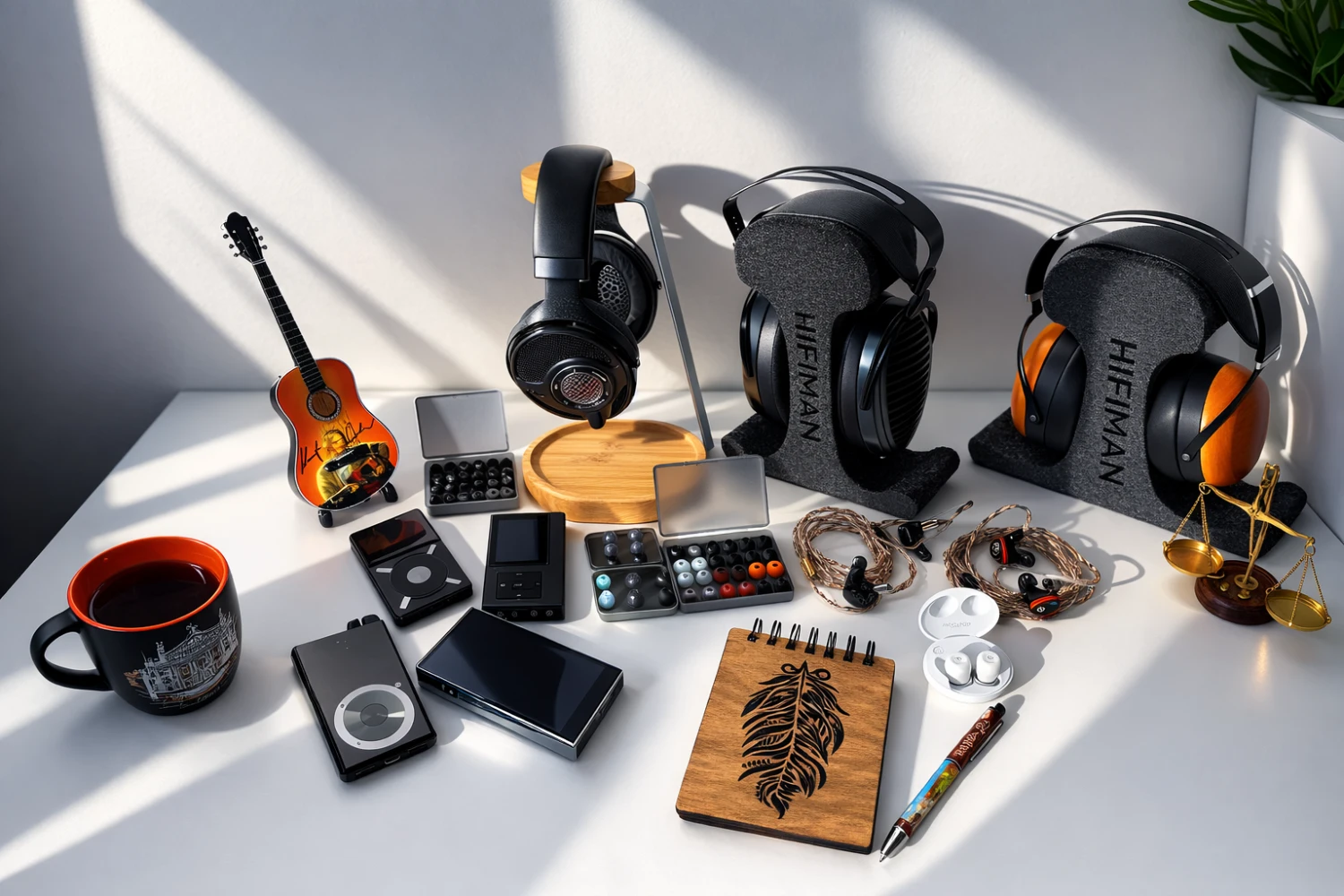
Audiophilia is a strange kind of journey, one where your beliefs rarely stay the same for long. What feels like absolute truth in the beginning slowly fades, replaced by new experiences, new preferences, and sometimes completely opposite conclusions. Over time, you start to realize that this hobby is not about being right, it is about evolving.
Looking back on eight years in audio, I can honestly say that many of the opinions I once defended with confidence no longer apply to me at all. And that shift did not happen overnight. It came gradually, shaped by listening, experimenting, and, perhaps most importantly, being willing to question myself.
From IEMs to Full-Size Headphones
In the beginning, I was fully committed to in-ear monitors. I loved everything about them, the compact form, the efficiency, and the way they delivered sound in such a focused and intimate way. To me, they represented the peak of modern audio design. I was convinced that high-end IEMs could compete with, or even outperform, full-size headphones.
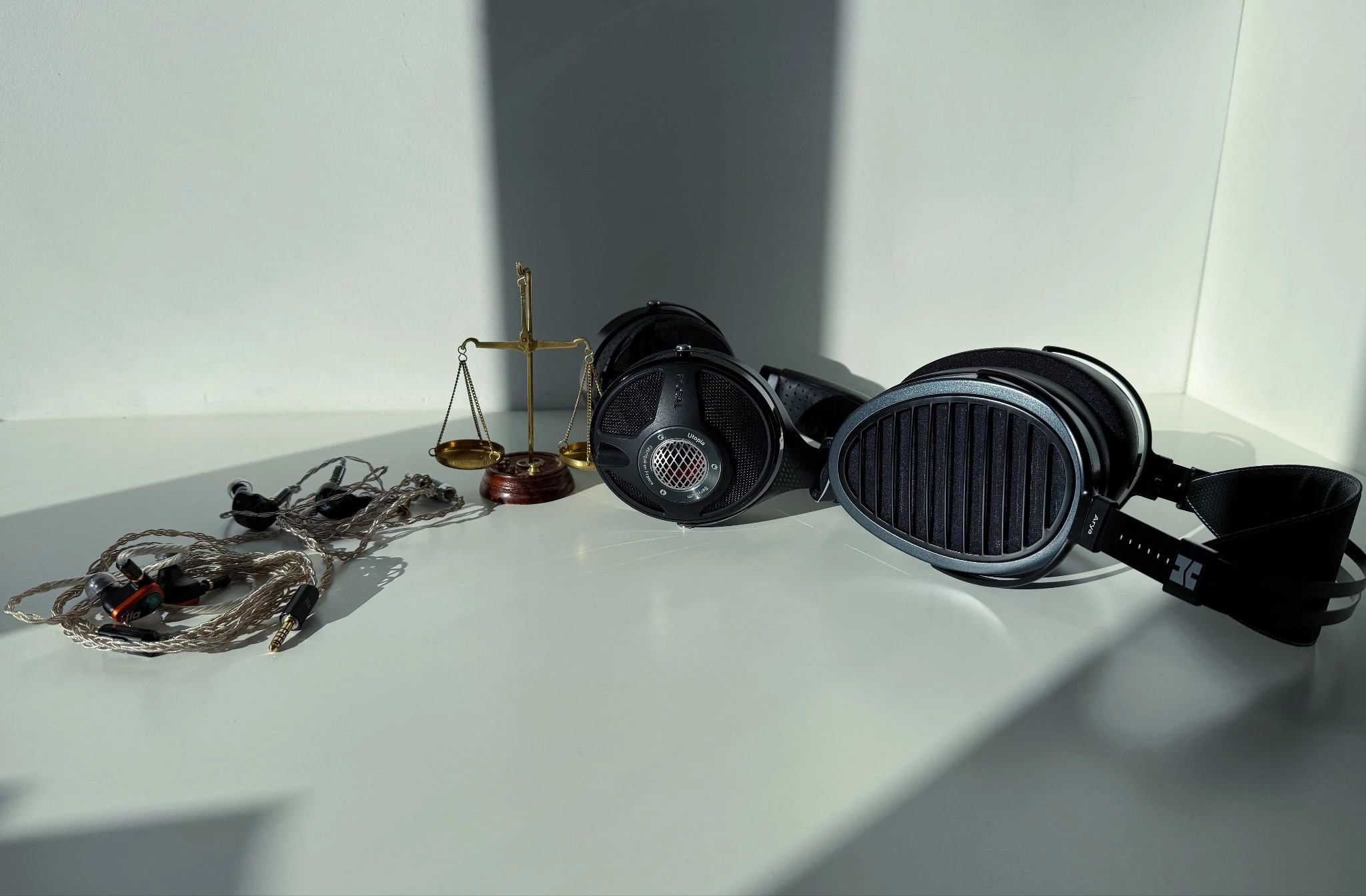
As you know, from the beginning of my audiophile journey, I was a person who enthusiastically defended the position of IEM. I never tired of convincing my acquaintances that modern technologies allow flagship multi-driver in-ear headphones to play no worse, or even better, than full-size Hi-End.
There was something incredibly satisfying about that presentation. The sound felt centered, almost sculpted directly inside your head. Every detail was close, controlled, and precise. It created a kind of personal listening space that was hard to give up.
For a long time, I saw full-size headphones as unnecessary, even a bit outdated. They were bulky, less practical, and in my mind, not worth the trade-off. But curiosity has a way of breaking down even the strongest opinions. I started listening more, trying different models, giving them more time.
And slowly, my perspective shifted.
Today, when I sit down to really listen to music, full-size headphones are my first choice. The scale, the openness, the way the sound extends beyond your head, it creates a level of immersion that I simply cannot get from IEMs. I still use in-ears, but now they belong to a different context, work, travel, convenience. The role has changed.
Open vs Closed, A Matter of Experience
Another belief I held early on was a strong preference for closed-back headphones. Open designs felt impractical. They leaked sound, they did not isolate, and I assumed they lacked proper bass. It seemed obvious at the time.
But that assumption came from limited experience.
As I spent more time with different headphones, I began to understand that bass performance is not determined by whether a headphone is open or closed. It depends on how it is tuned, how it is built, and how well everything works together. Once that became clear, the advantages of open-back designs started to stand out.
The soundstage felt wider, more natural, more believable. Music had space to breathe. Instruments were not just placed, they existed within a convincing environment.
Closed-back headphones still make sense in many situations, especially when you need isolation, but for pure listening, open designs became my reference.
Dynamic Drivers to Planar Curiosity
At first, dynamic drivers made the most sense to me. They were accessible, easy to drive, and generally consistent. Planar magnetic headphones, and especially electrostatics, seemed more complicated, more demanding, and not always practical.
But as my setup improved, so did my expectations.
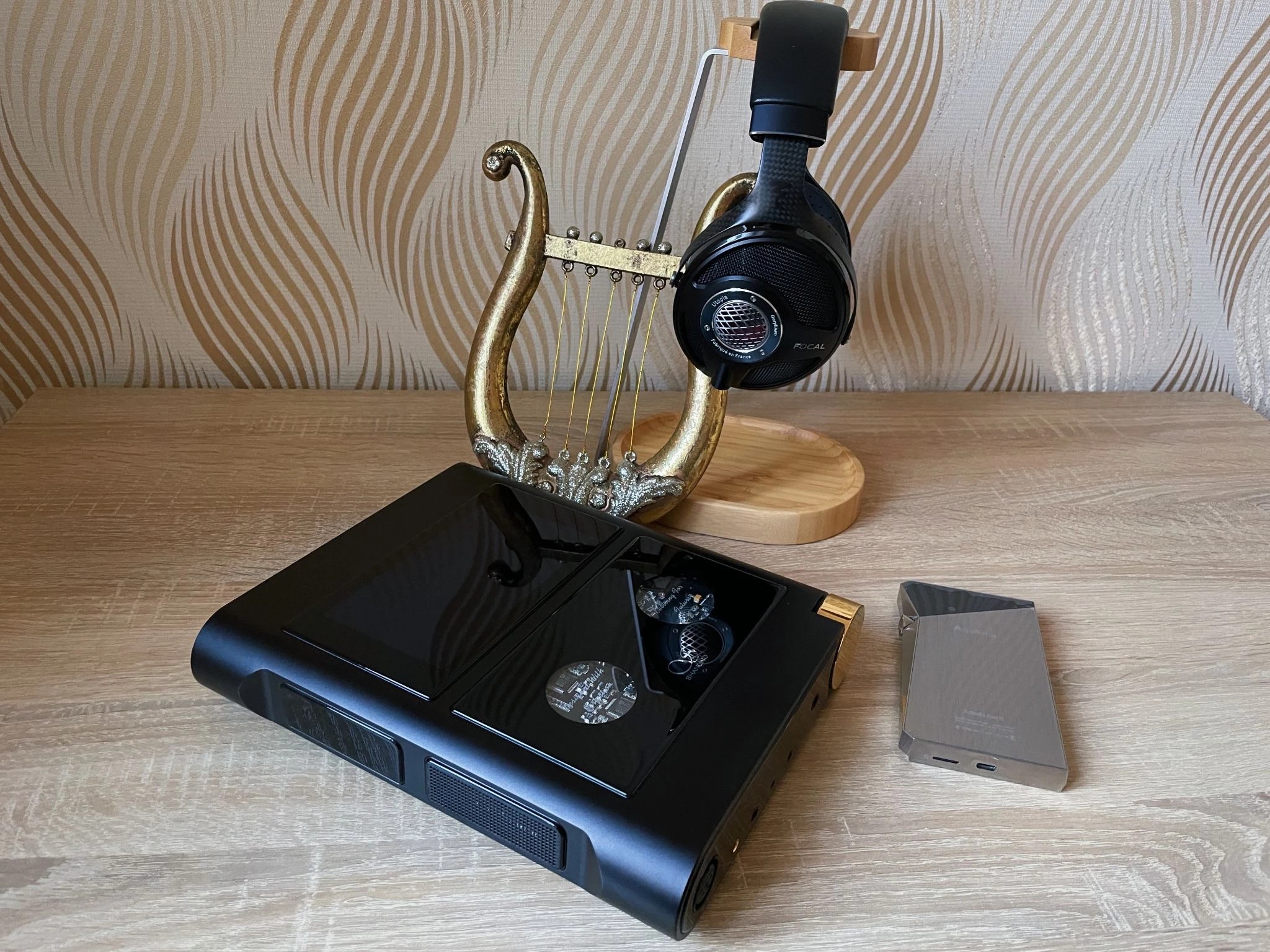
So, the models that become my favorites are not only wired, full-size and open, but also planar. Sometimes – electrostatic or ribbon. But hardly any of you know that in the past I managed to be a convinced apologist for dynamic drivers.
I started noticing what planars could do differently. The speed, the control, the level of detail, it all added up to something that felt more precise and more revealing. The way they handled complex passages, the way they presented subtle textures, it pulled me in.
Eventually, I stopped thinking about convenience and started focusing on performance. And that is when planar headphones began to make real sense to me.
Portable vs Desktop, Accepting the Trade-Offs
Portable players have always impressed me. The idea that you can carry high-quality audio in your pocket is still amazing, and the progress in this category has been incredible.
But there is a limit.
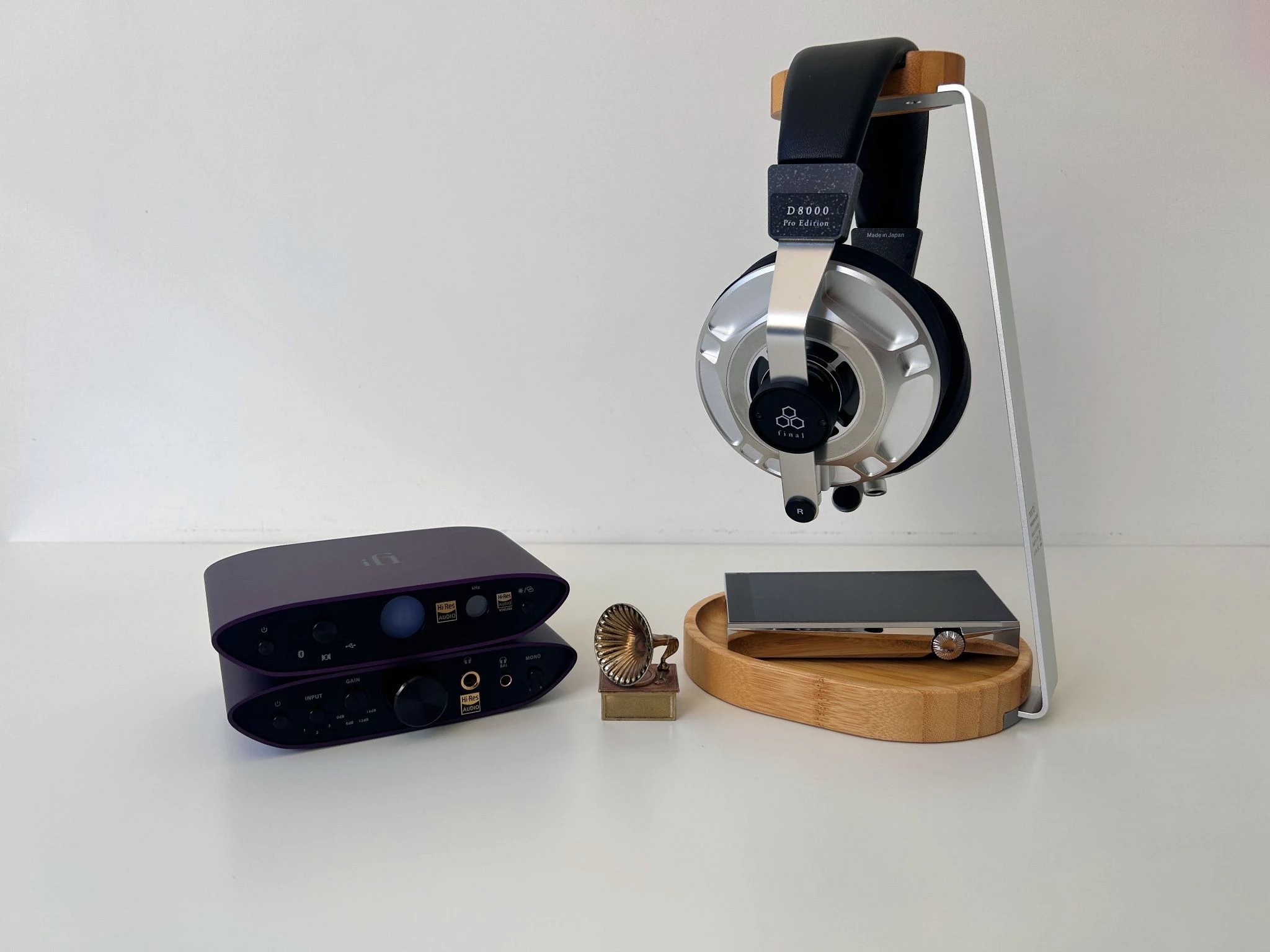
The logical next step. I will note right away that professionally I still remain a fan of portable Hi-Fi players
When you start pairing serious full-size headphones with portable gear, compromises become more obvious. Power, headroom, control, these things matter. And this is where desktop systems change the game.
With separate DACs and amplifiers, you gain flexibility, you gain performance, and you open the door to system matching in a way that portable setups simply cannot match. It is not about dismissing portable gear, it is about recognizing that different tools serve different purposes.
At some point, I realized that if I wanted the best possible experience at home, I had to accept the complexity that comes with it.
The Endless Chase for New Gear
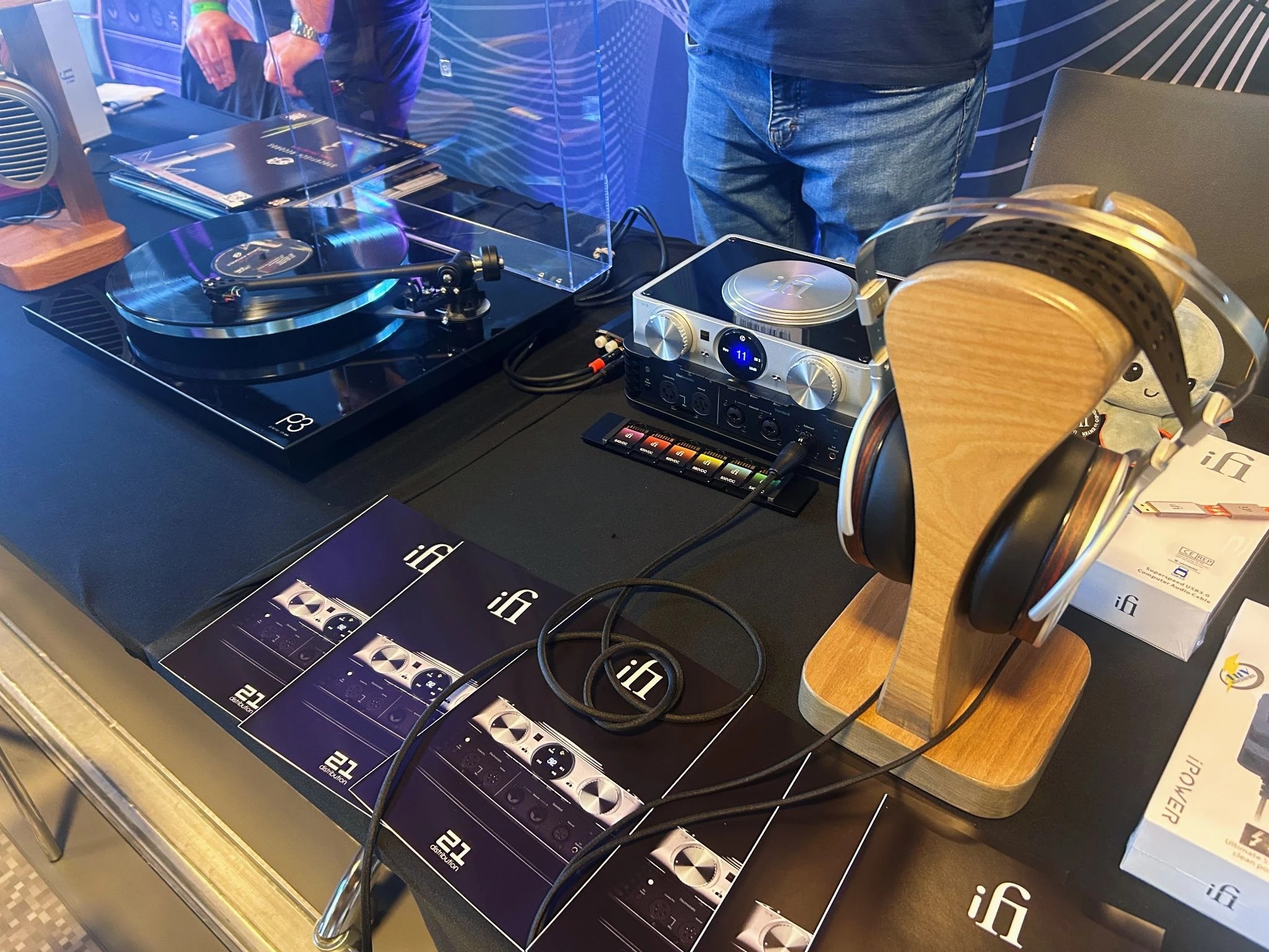
What you bought yesterday has already turned into a pumpkin today, because an updated version has been released.
Like many others, I went through the phase of constantly chasing new releases. Every new flagship felt like something I needed to hear, maybe even own. It created a cycle of buying, selling, upgrading, and never quite feeling satisfied.
There was always something better around the corner.
At one point, I even thought about building a collection of top-tier models from every brand I liked, as if that would somehow solve the problem. It did not take long to realize how flawed that idea was. Not everything suits your taste, no matter how good it is on paper.
Eventually, I understood something simple but important. You cannot have everything, and you do not need to. What matters is finding what truly works for you.
Learning to Appreciate Older Gear
I used to think that newer always meant better. Better measurements, better performance, better everything. It seemed logical.
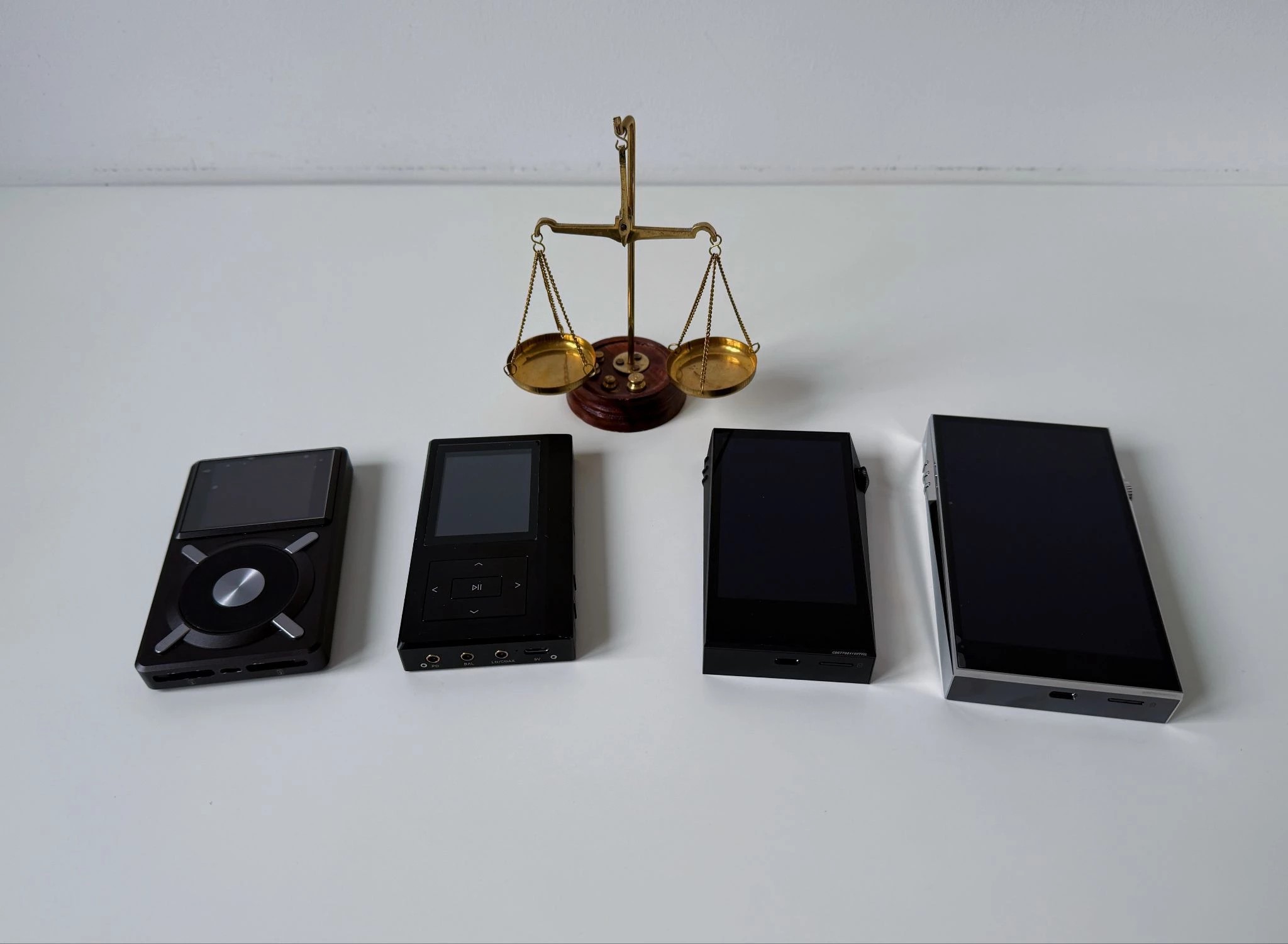
I remember when I came to the hobby, my attitude towards vintage fans was rather ironic. I sincerely did not understand why even reviewers, testing many new devices, use old equipment to listen to music in their everyday lives, without betraying it for years.
But over time, I found myself returning to older gear, not out of nostalgia, but because of how it sounded. Some devices have a character that newer models do not replicate. A certain tuning, a certain feeling, something that connects with you on a deeper level.
And once you find that, it becomes hard to let go, no matter what the latest release promises.
It made me realize that progress in audio is not always linear. Sometimes, what matters most is not what is technically superior, but what feels right.
Minimalism, Fewer Things That Matter More
At some point, I started reducing everything. Fewer headphones, fewer sources, even fewer tracks in my daily rotation.
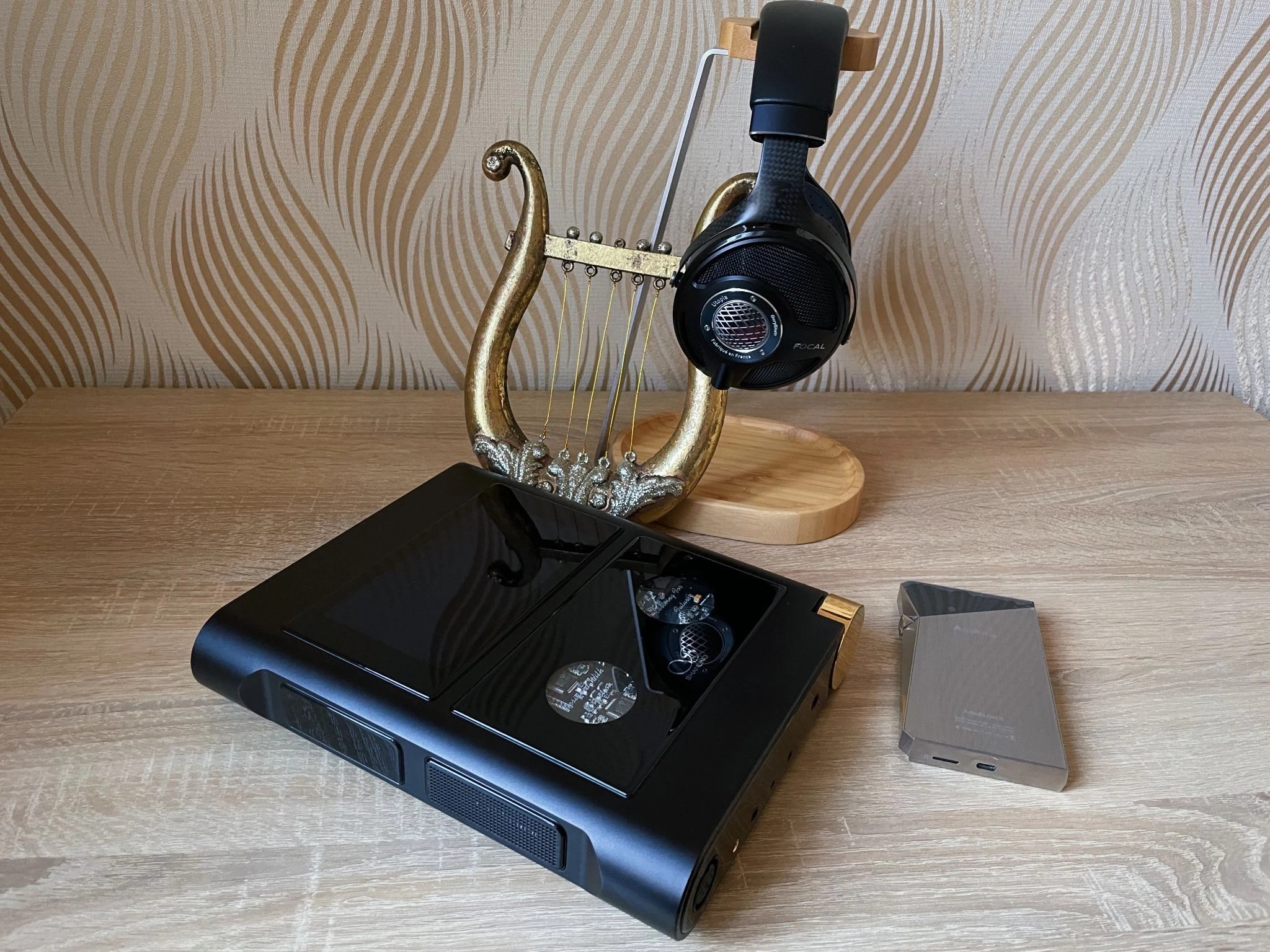
At the beginning of my journey, I thought that I needed to have a lot of music in my collection. The more, the better. Well, when I first tried FLAC or WAV on adequate devices, it was not surprising. But after a few years, I had to admit that I don’t need such a large selection of discographies.
And instead of feeling like I was losing something, it felt like I was gaining clarity.
I stopped chasing variety for the sake of it and focused on what I actually enjoyed. The result was a system that felt more coherent, more personal, and ultimately more satisfying.
The same applied to music. I did not need thousands of tracks. A smaller collection of songs that truly resonated with me was enough.
The Problem With the Wow Effect
One of the biggest lessons I learned was about the so-called wow effect. That immediate excitement when you first hear a piece of gear can be misleading.
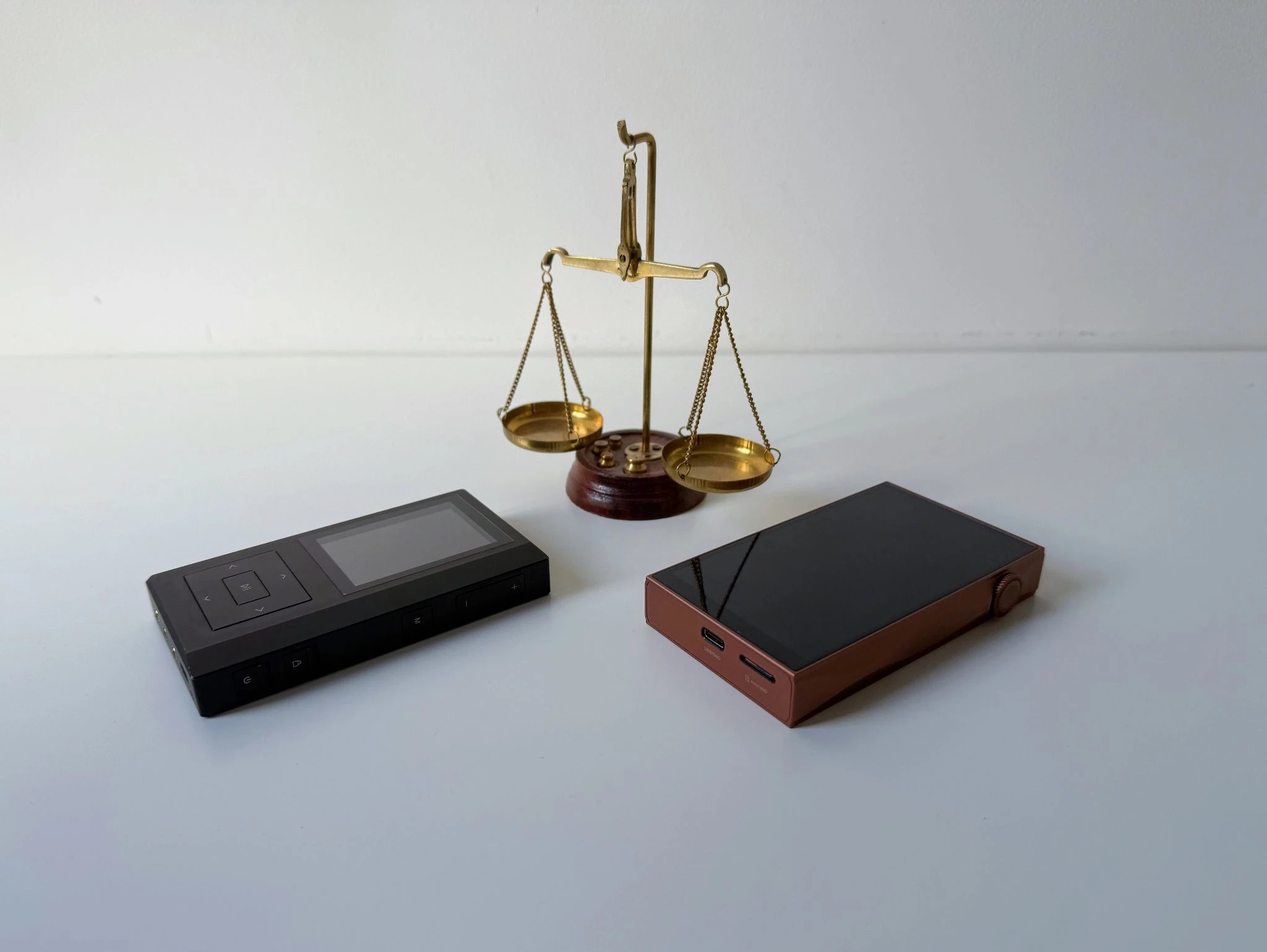
I am a little ashamed to remember what my first Hi-Fi models were like. Or rather, how I treated them. Back then, I mostly chose devices that could do something fantastically – even if only one thing.
Something that sounds impressive at first does not always hold up over time. In fact, it often does not. Strong emphasis on certain frequencies, exaggerated detail, or overly dramatic presentation can become tiring.
On the other hand, some of the gear that initially felt unremarkable turned out to be the most enjoyable in the long run. It worked with everything, every genre, every mood.
And that kind of consistency is far more valuable than a short burst of excitement.
Unlocking What You Already Own
I used to replace gear quickly when I felt something was missing. Now, I approach things differently.
Before moving on, I try to understand whether I have really explored the full potential of what I already have. Small changes, better synergy, different accessories, they can make a surprisingly big difference.
Sometimes, the upgrade you are looking for is not a new product, it is a better understanding of the one you already own.
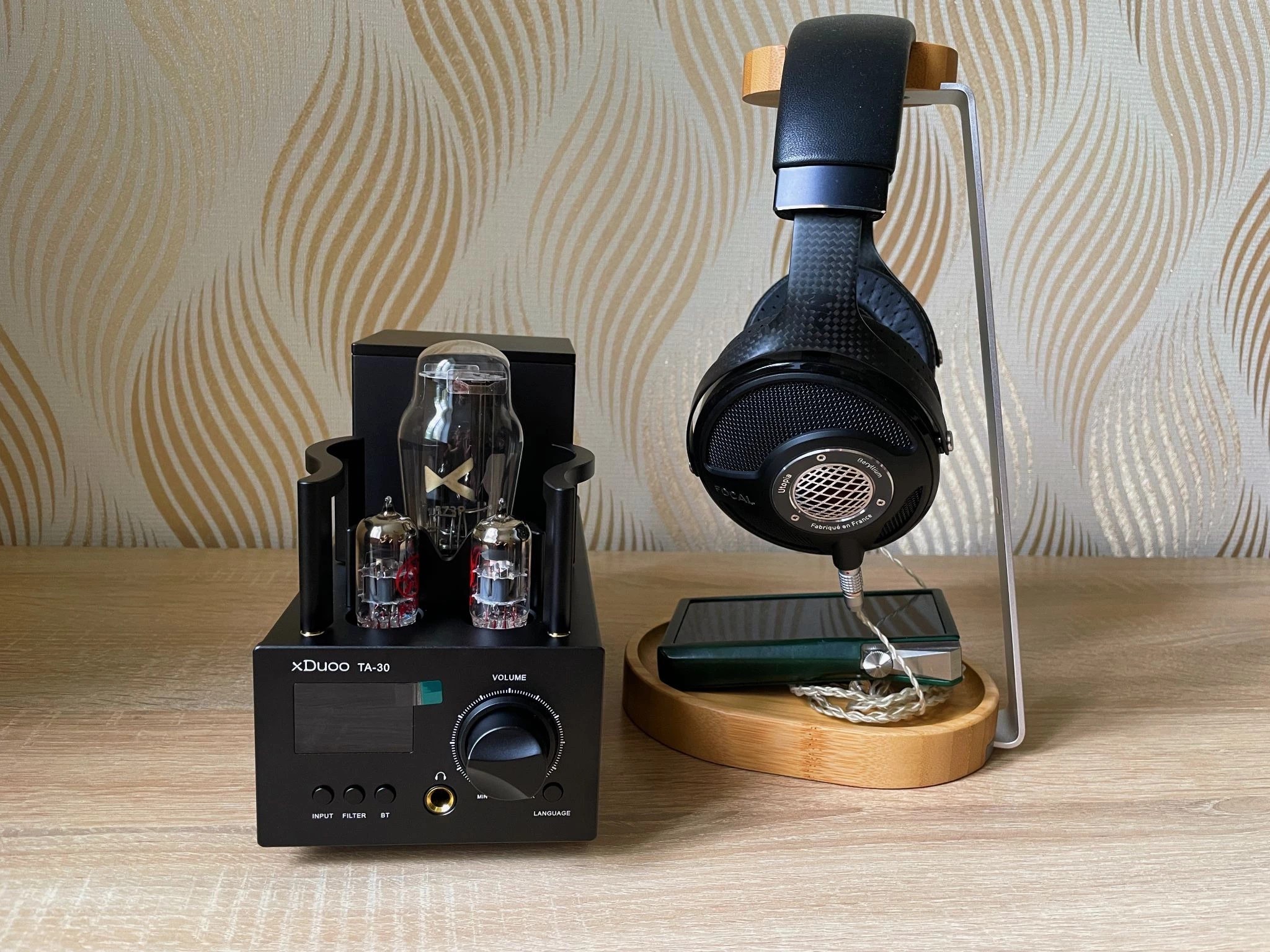
For a long time in the past, I was prone to typical logic – when the device’s style is no longer satisfactory, it’s time to buy something new. I
Letting Go of Audiophile Dogma
There was a time when I had strong opinions about everything. Wired was better than wireless, high-resolution files were essential, and anything outside that framework felt like a compromise.
Now, I see things differently.
Music is about emotion, not rules. If wireless headphones make someone listen more often, that has value. If streaming makes music more accessible, that has value. If a simple file format brings more enjoyment than a technically superior one, that is what matters.
This hobby is not about proving anything to anyone. It is about connection, and that connection looks different for everyone.
Closing Thoughts
Audiophilia is not a destination, it is a process. Your preferences will change, your opinions will evolve, and what feels right today may not feel the same tomorrow.
And that is perfectly fine.
The most important thing is to stay open, to keep listening, and to trust your own experience. Because in the end, no measurement, no review, and no opinion matters more than how the music makes you feel.


Share your thoughts on this product
Do you own this product or maybe have questions about it? Feel free to share your comments below.