
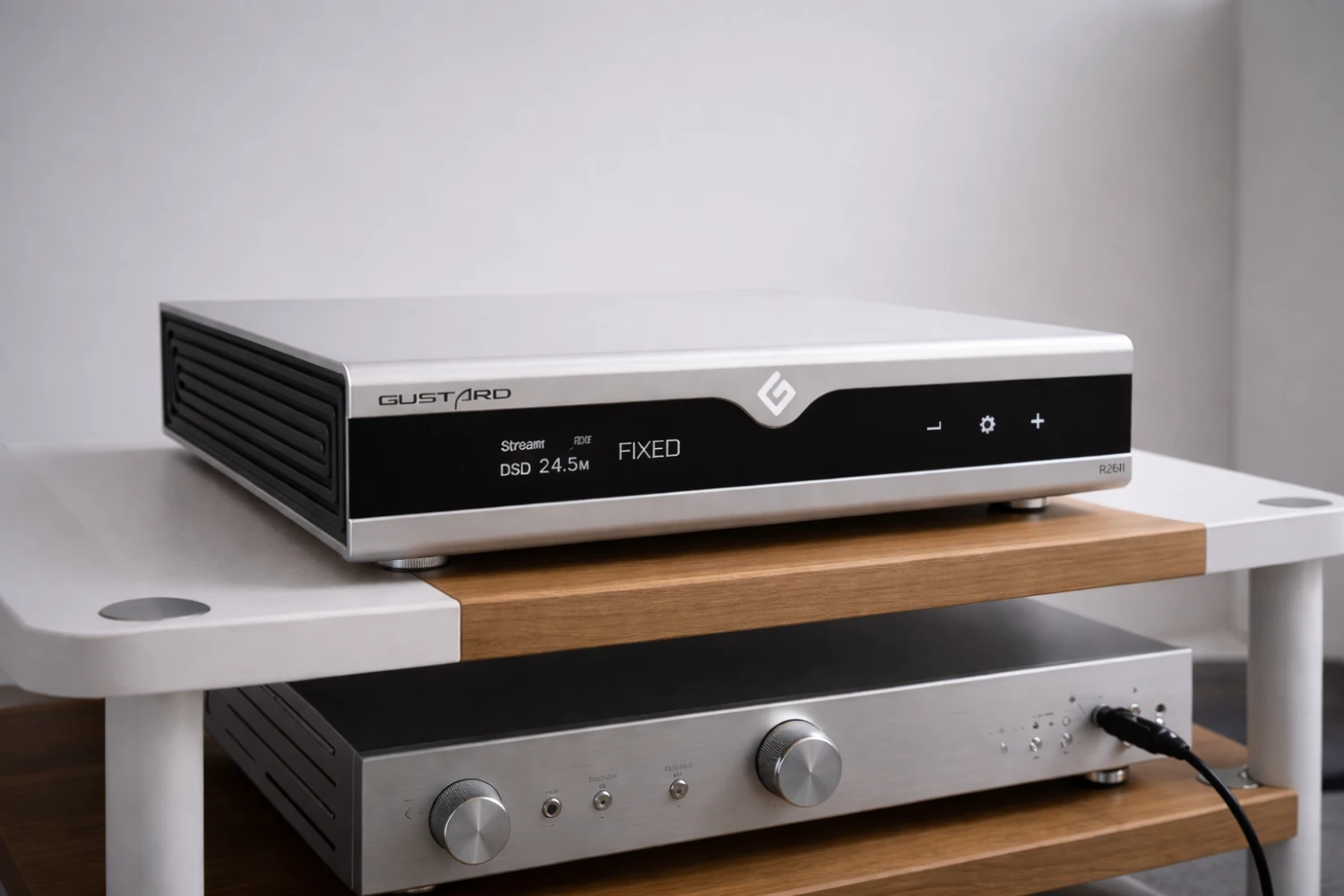
Gustard is back with a major upgrade to one of its most popular DAC platforms, introducing the Gustard R26 II, a refined evolution that blends classic R2R sound with today’s streaming demands. Positioned as a bridge between high-end audio purity and everyday usability, the new model takes a clear step forward in both architecture and functionality.
At the core of the R26 II is a redesigned 26-bit fully discrete R2R ladder DAC, derived from the flagship Gustard R30. This updated architecture significantly increases resolution compared to its predecessor, aiming to deliver a more detailed yet natural presentation, the kind of sound R2R enthusiasts chase for its organic and lifelike character. The DAC also supports native 1-bit DSD playback, allowing for a cleaner signal path and a more direct rendering of high-resolution audio.
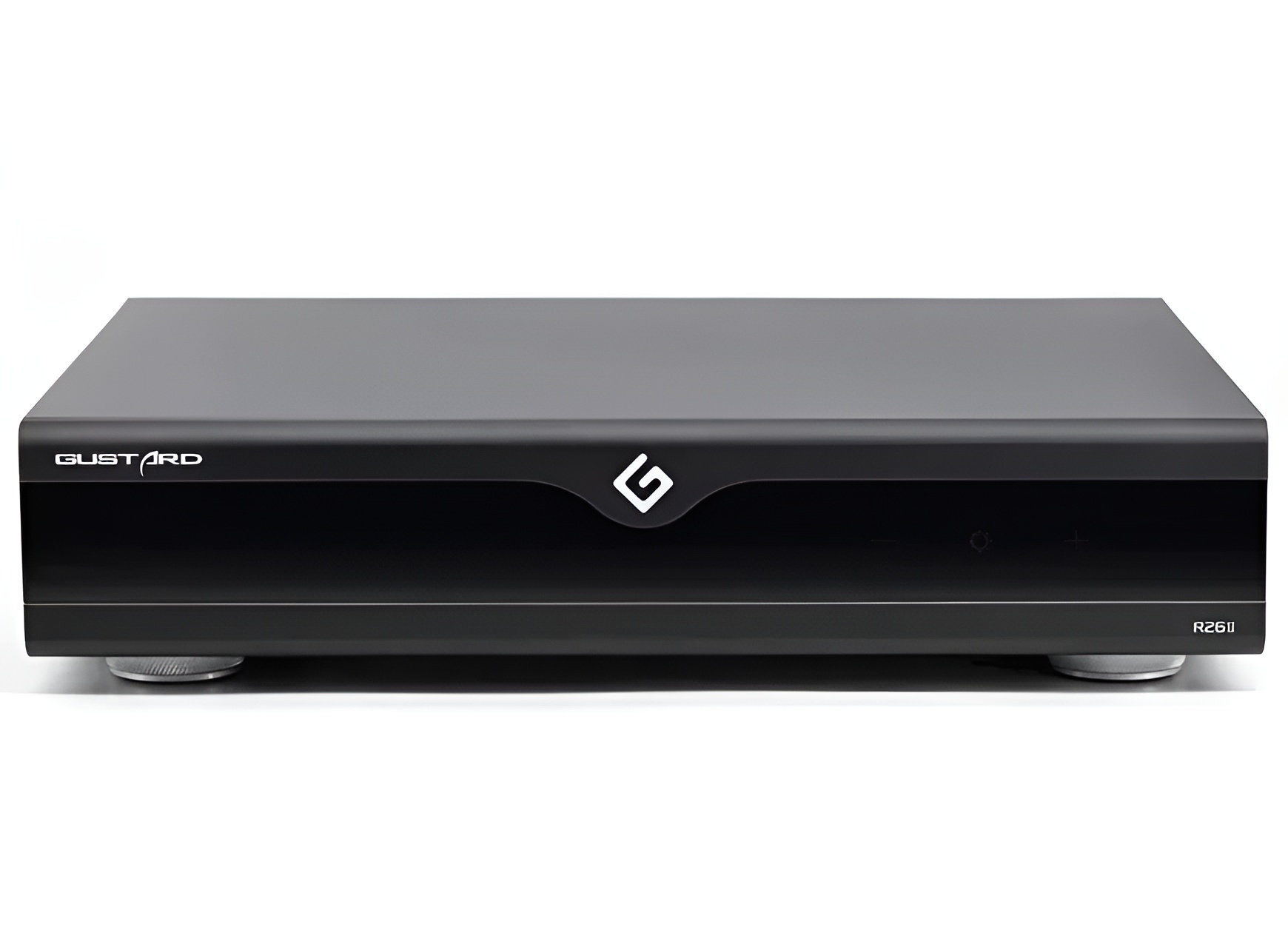
According to the manufacturer, it bridges the gap between high-end audio and modern, versatile features
Where the R26 II really separates itself is in its versatility. Gustard has integrated a newly developed network bridge, created in collaboration with CelAudio, running on a custom-optimized Linux system built specifically for high-quality audio streaming. It supports Roon Bridge, AirPlay, UPnP, Spotify, and NAA, making it easy to slot into both simple and advanced setups. A high-speed RJ45 Ethernet connection ensures stable, uninterrupted playback.
Performance is not just about formats and features, though. The R26 II is engineered to deliver a dynamic range exceeding 130 dB, resulting in a silent background and improved microdetail retrieval. This allows subtle nuances in recordings to emerge more clearly, while maintaining the smooth, analog-like tonality that defines R2R designs.
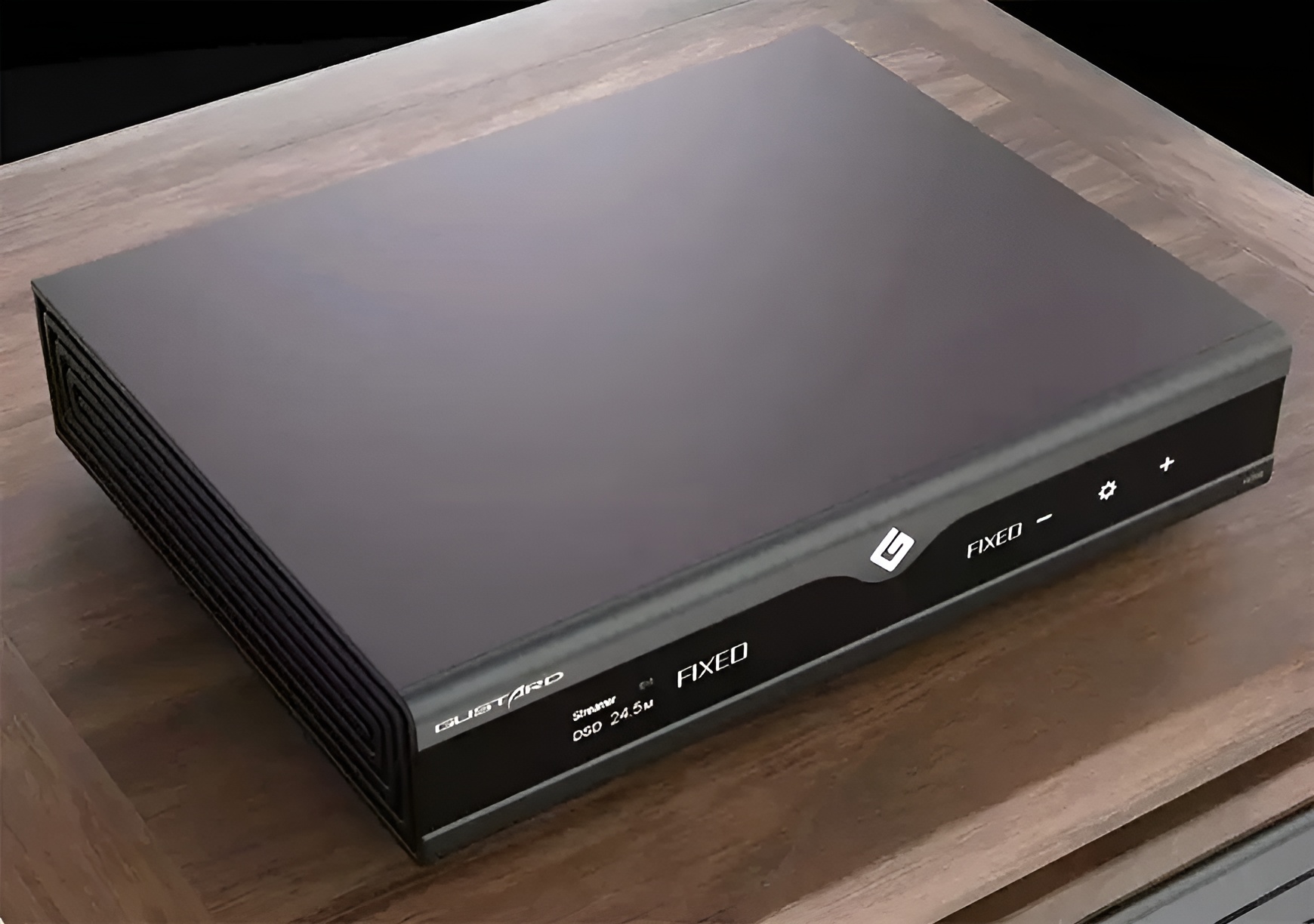
At the heart of the new product is the 26-bit, fully discrete R2R architecture inherited from the flagship Gustard R30, delivering four times the resolution of its predecessor.
Connectivity is equally impressive. USB-B and LAN inputs support native DSD512, while the I2S interface pushes even further, handling signals up to DSD2048 and PCM 1536 kHz. This level of support places the R26 II firmly in the territory of serious audiophile systems, where flexibility and future-proofing matter.
The analog stage reflects Gustard’s purist philosophy. Instead of relying on op-amps, the R26 II uses a fully discrete output buffer combined with a Class A low-pass filter. This approach preserves signal integrity and enhances the natural flow of the music, avoiding the artificial edge that can sometimes come from more conventional designs.
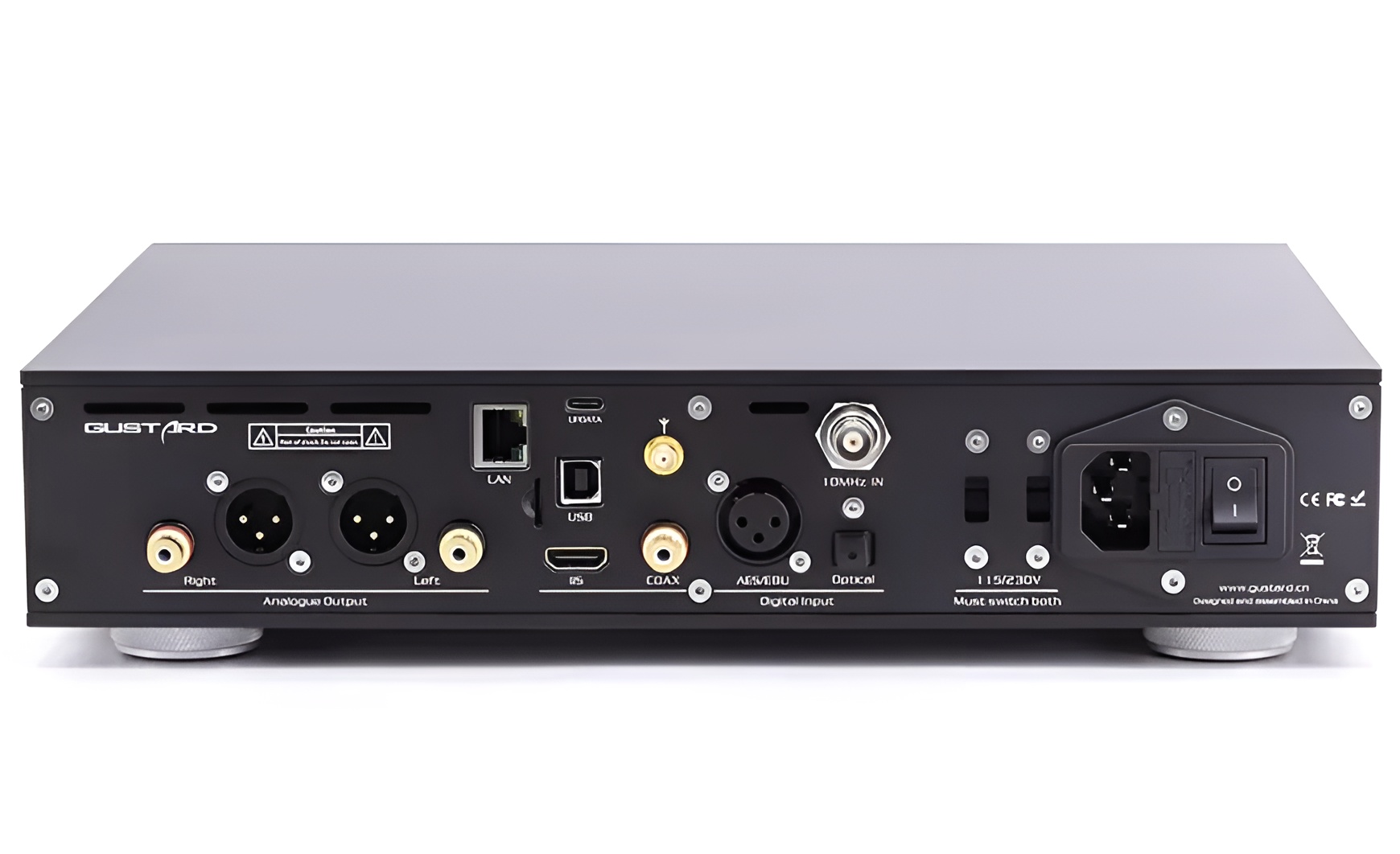
The hardware upgrade is complemented by a new Network Bridge with expanded streaming capabilities via Roon Bridge, AirPlay, UPnP, Spotify, and NAA. Furthermore, the Gustard R26II supports native 1-bit DSD processing, delivering pure and natural sound.
Timing accuracy is handled by Gustard’s GCLK-02 clock system, featuring femtosecond-grade oscillators for precise synchronization. For those running even more advanced setups, a 10 MHz BNC input allows connection to an external master clock, offering an additional layer of refinement.
Power delivery has also been carefully considered. The unit is equipped with dual toroidal transformers and high-quality low-ESR capacitors, ensuring clean and stable power with proper isolation between digital and analog circuits. The result is a quieter electrical environment, which directly contributes to better overall sound performance.
The Gustard R26 II is now available, with a suggested retail price of $1,649.99.


Share your thoughts on this product
Do you own this product or maybe have questions about it? Feel free to share your comments below.