

At CES 2026 in Las Vegas, Amsterdam-based Breggz pulled off something genuinely unexpected. While most true-wireless earbuds are busy fighting each other over noise cancellation specs and bass boosts, Breggz went in a completely different direction.
Meet the Zohn-1—the world’s first fully wireless in-ear headphones to receive IMAX Enhanced certification. Yes, the same IMAX Enhanced standard previously reserved for TVs, AV receivers, and soundbars… now living inside something small enough to disappear into your ears.
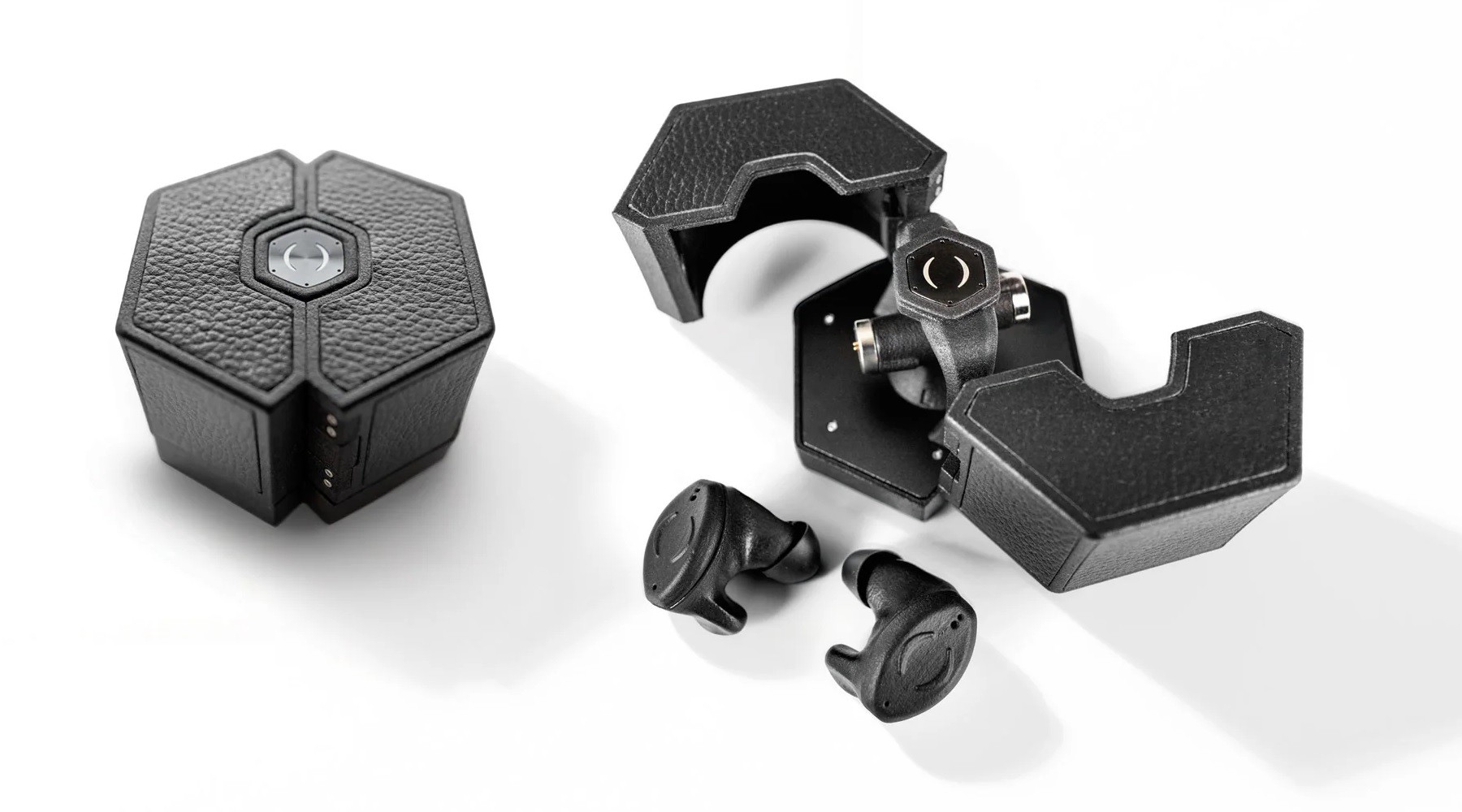
The Breggz Zohn-1 is the first wireless in-ear headphone with the IMAX Enhanced certificate
IMAX Enhanced
IMAX Enhanced isn’t a logo you slap on a box for marketing flair. It’s a strict technical standard focused on dynamic balance, low distortion, accurate spatial cues, and consistent loudness—essentially how film sound is supposed to leave the studio.
Until now, that level of control required big speakers and lots of air movement. The Zohn-1 is the first attempt to deliver that experience in a true wireless in-ear format—and surprisingly, it doesn’t rely on brute-force processing to get there.
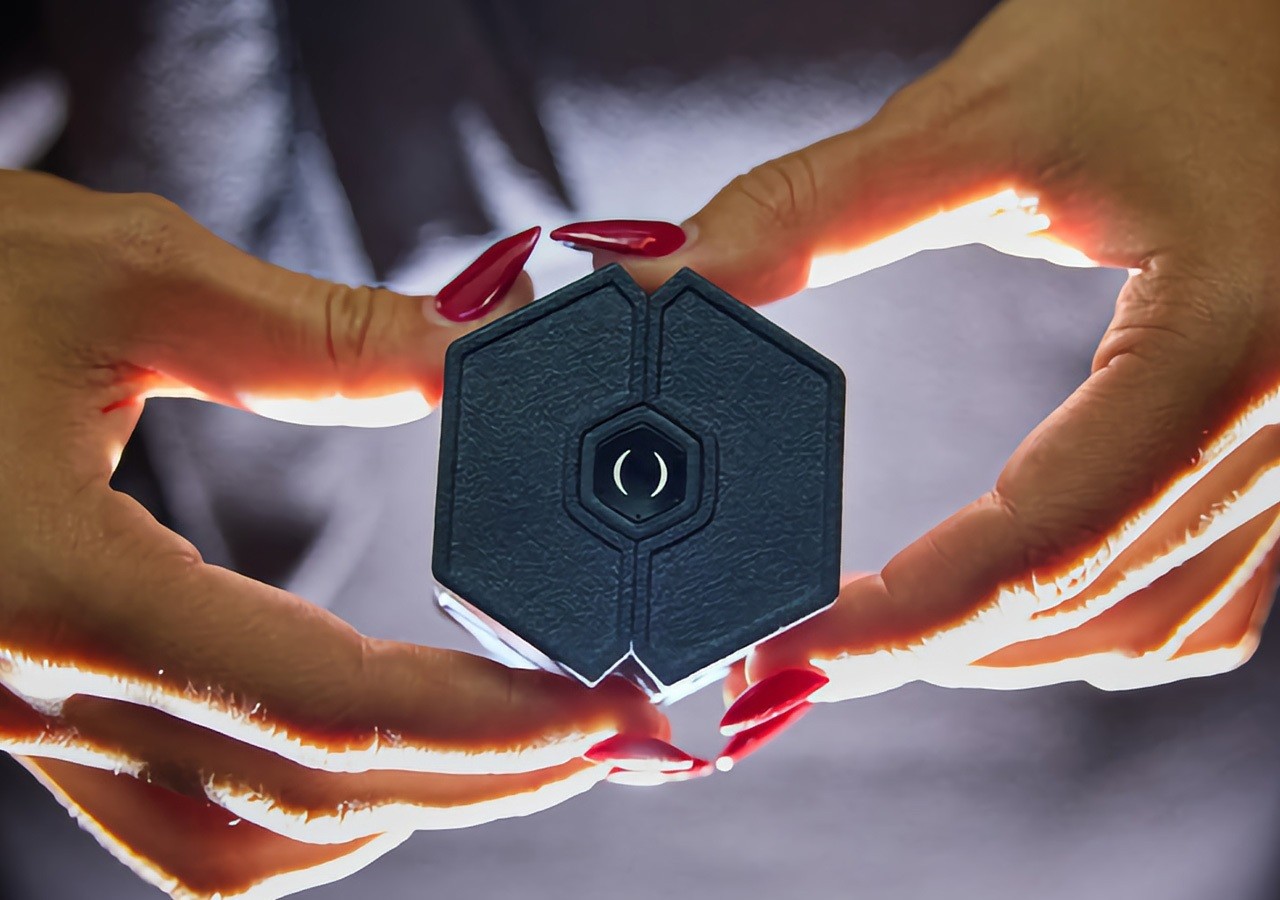
“IMAX Enhanced” refers to a defined list of technical requirements for film sound. These include, in short, balanced volume control, pristine reproduction without distortion, and a spatial auditory impression.
No ANC? That’s the Point
Here’s where Breggz really zigzags while everyone else zags: there’s no active noise cancellation.
Instead of electronically manipulating the signal to cancel noise, the Zohn-1 relies on precise physical isolation. The housing and fit do the heavy lifting, sealing the ear canal naturally. The result? No phase artifacts, no pressure sensation, and—most importantly—no digital interference with the sound.
It’s a very audiophile decision, and a brave one.
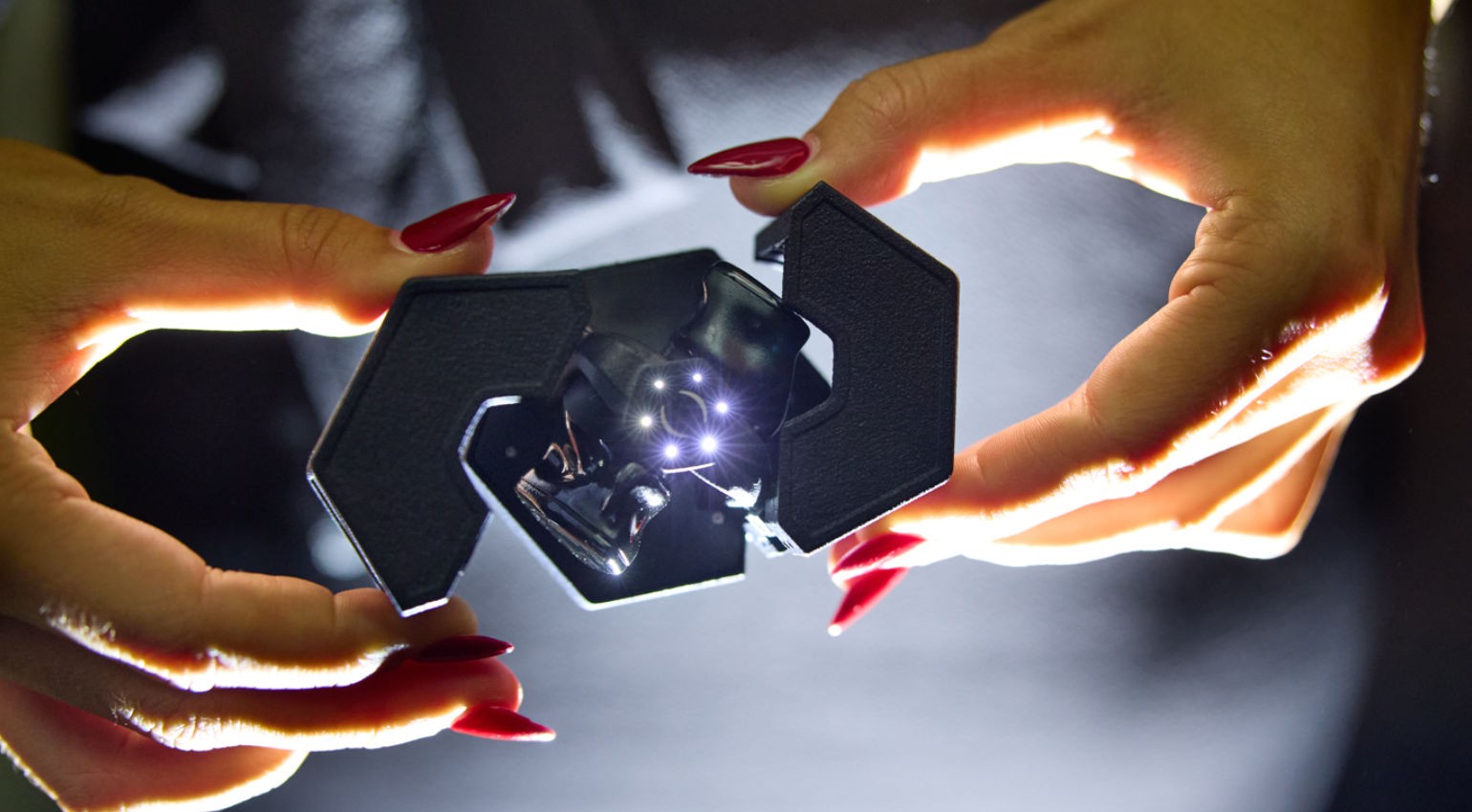
The certification is intended to ensure that films and music sound as if they were created in the studio. The Zohn-1 achieves this for the first time in a fully wireless in-ear format.
Balanced Armatures, Balanced Sound
Inside the Zohn-1 you’ll find balanced armature drivers, chosen not for skull-rattling bass but for speed, clarity, and control. Vocals stay clean. Effects remain distinct. Nothing bleeds into everything else.
Bass is present—but not hyped. Instead of artificially boosting the low end, Breggz lets the ear seal do what physics intended. The payoff is tighter bass, lower distortion, and a soundstage that stays intact even during complex movie scenes.
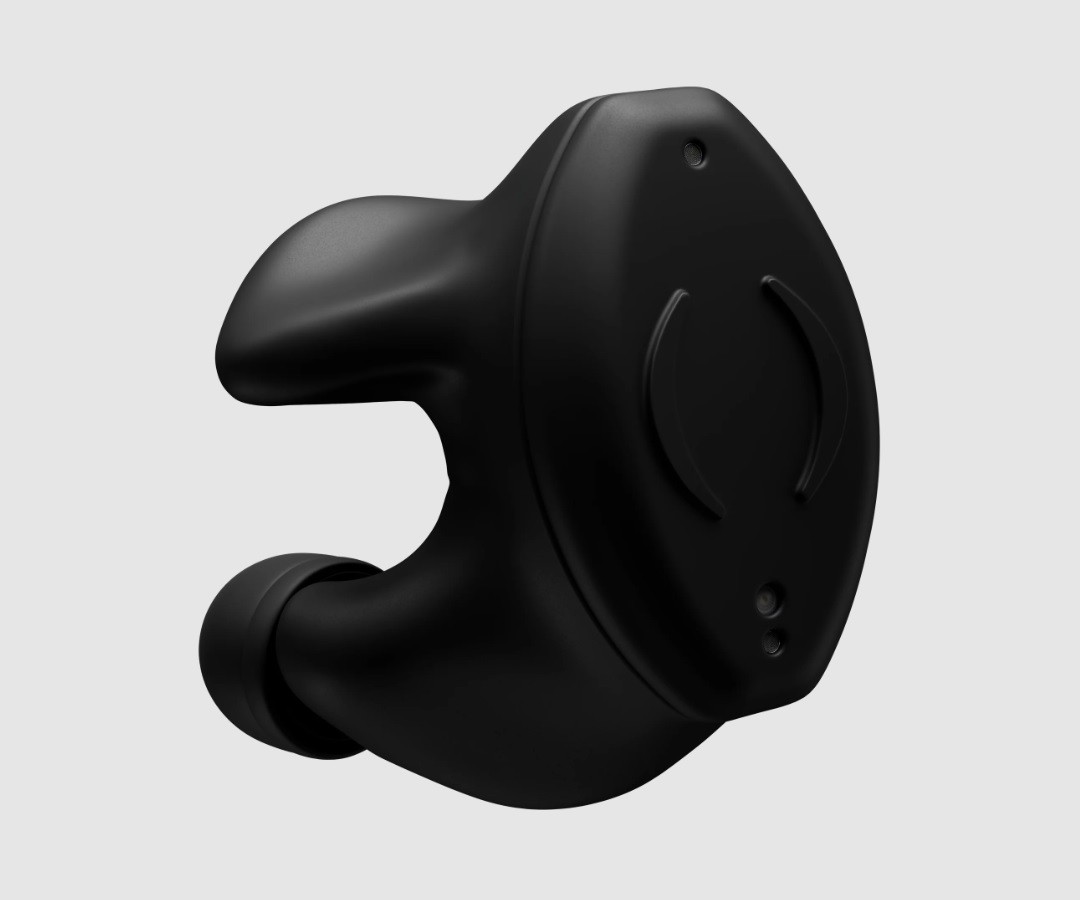
Breggz Zohn-1
There is digital processing onboard, but it’s used with restraint. The internal processor manages timing, spatial distribution, and volume in real time—crucial when dialogue, music, and explosions all compete for attention.
The key difference? Breggz uses DSP to organize sound, not reshape it.
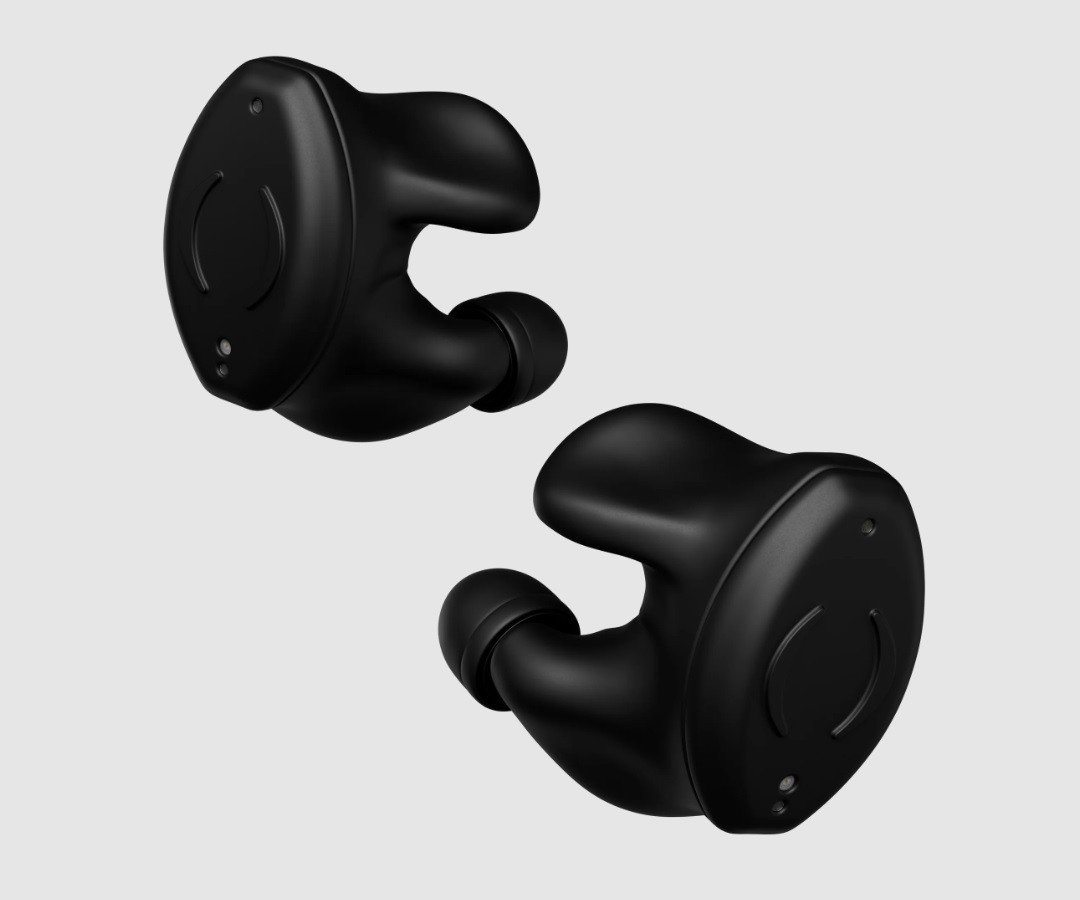
Breggz Zohn-1
Sound, Tuned to Your Hearing
One of the coolest features is personalized sound calibration. During setup, the Zohn-1 plays a series of test tones to map how you actually hear different frequencies.
The system then creates a custom hearing profile—stored directly in the earbuds, not dependent on an app or cloud processing. This isn’t about exaggerated EQ curves; it’s about restoring balance. Subtle compensation for hearing differences, including age-related loss, happens quietly in the background.
Smart, elegant, and very on-brand.
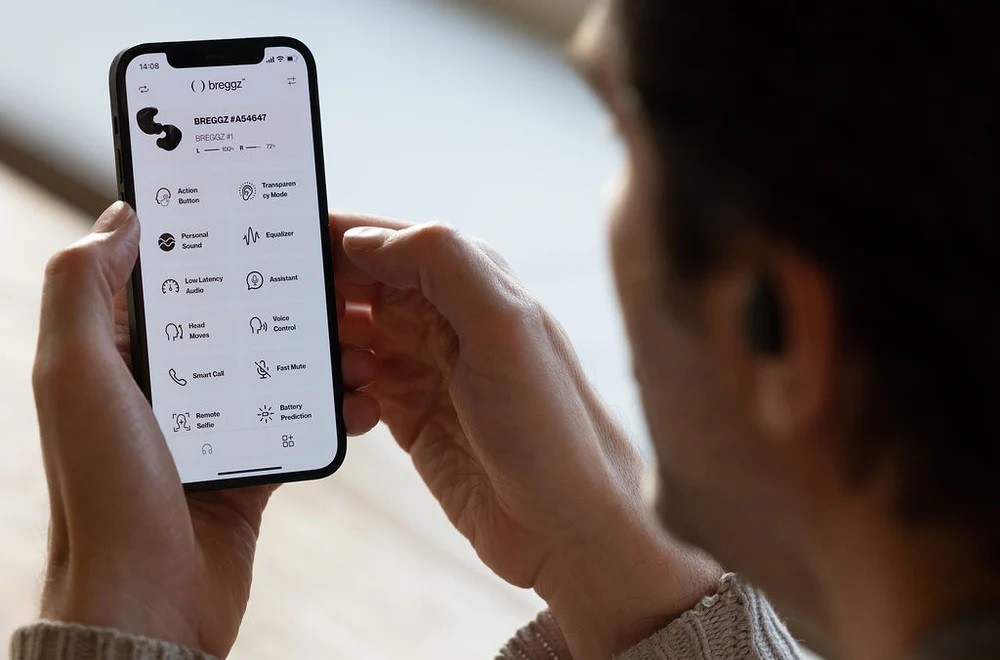
The Zohn-1 offers personalized sound adjustment. During the initial setup, the listener hears various test tones. The system measures which frequencies are perceived well and which are less well. This results in a personalized hearing profile.
Connectivity, Controls, and the Unknowns
The Zohn-1 connects via Bluetooth and charges through a standard charging case. Breggz hasn’t yet shared details on supported codecs or battery life—likely because the product is still approaching full production.
What is clear is the intent: this isn’t a lifestyle earbud chasing mass appeal. It’s a specialist product built for listeners who care how sound is constructed.
Price & Availability
The Breggz Zohn-1 is expected to retail for just under $900, with serial production still pending. It’s not cheap—but then again, neither is IMAX-grade sound engineering shrunk to earbud size.



Share your thoughts on this product
Do you own this product or maybe have questions about it? Feel free to share your comments below.